
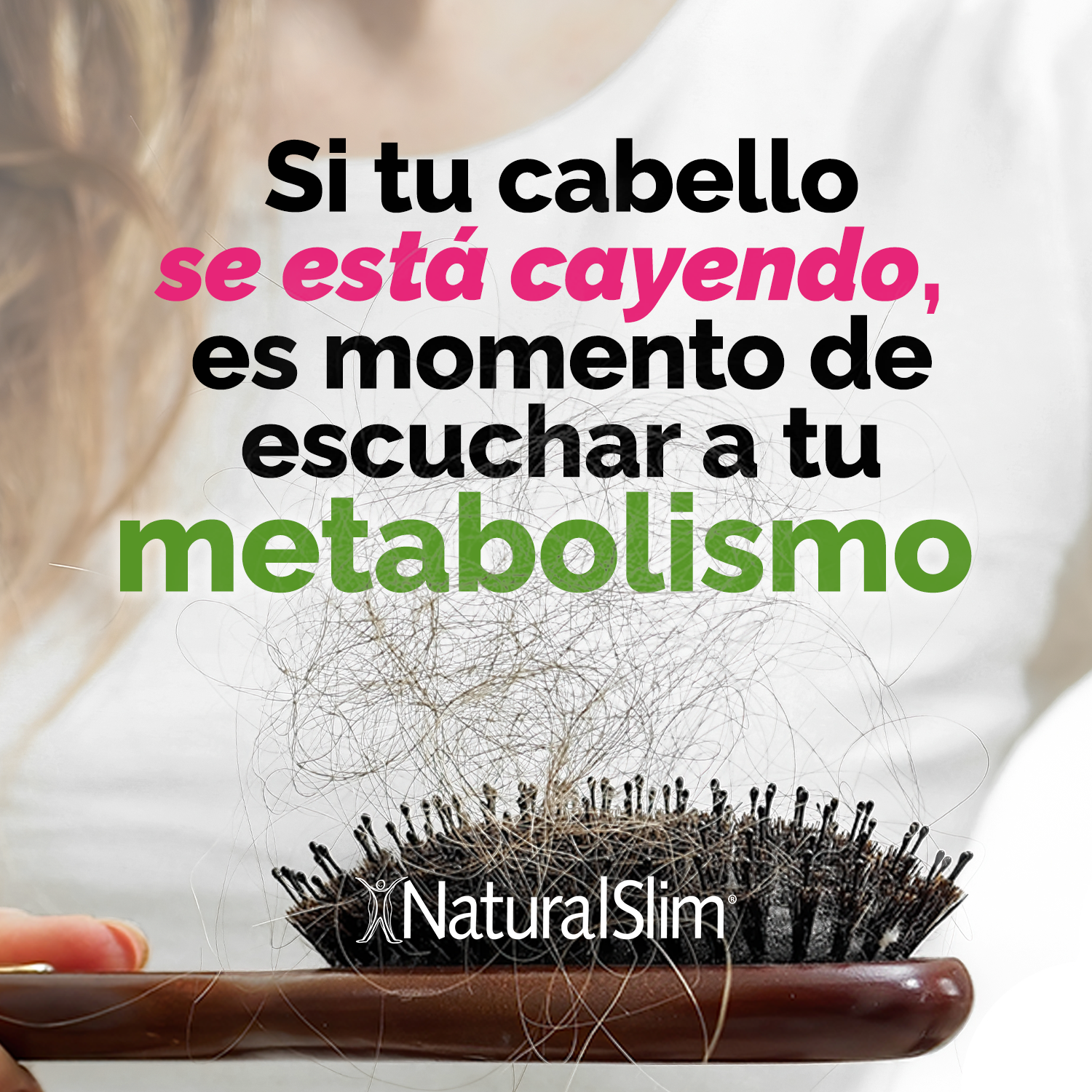
Your hair is shedding: take a breath before you panic
You notice it on the brush, on the pillow, in the shower. And the first reaction is usually to fear the worst. But before you panic, there's something almost nobody tells you: hair renewing itself — and shedding more at certain times of year — is, for the most part, completely normal.
Every hair has its own life cycle: it grows, it rests, and when its time comes it falls out to make room for a new one. Losing a handful of hairs a day is well within what's expected. The issue isn't that some hair falls out — it's when that shedding spikes for weeks. And there, often, there's a background story about how your body is working on the inside.
It's not your fault: sometimes information is missing
When hair sheds more than usual, it's easy to blame yourself, or to rush out and buy the first miracle shampoo that promises a fix. But hair isn't fed from the outside — it's fed from within. It tends to mirror, like a silent reflection, what's going on in the rest of the body.
There are stages of life when the body is under more strain and the hair shows it. These are everyday situations, not diseases:
- Periods of high stress or sustained tiredness. After an especially intense stretch, it's not unusual to notice more shedding a few weeks later.
- Seasonal changes. Many people notice they lose more hair in autumn or spring.
- Very strict or unbalanced diets. When you cut back too much, too suddenly, the body prioritises more urgent functions and hair takes a back seat.
- Life stages with hormonal change, such as after childbirth or during menopause.
As Frank Suárez, founder of NaturalSlim, put it: "you can never solve a problem you don't understand." Understanding what's behind the shedding is the first step to stop fumbling in the dark.
Hair is like a plant: it depends on how you nourish it
Picture your hair as a plant. No matter how much you shine up the leaves with a good product, if the root doesn't get water and nutrients, the plant weakens. Hair works the same way: scalp health starts with what reaches it through food.
So caring for your hair from within comes down to the usual things, even if they don't sound spectacular: eating a varied diet, drinking enough water, resting well, and easing the day-to-day strain. And above all, making sure your body isn't short on the nutrients hair needs to stay normal.
Nutrients hair needs
There are three nutrients with an officially recognised role here, according to the European Food Safety Authority (EFSA):
- Zinc contributes to the maintenance of normal hair.
- Selenium contributes to the maintenance of normal hair.
- Biotin contributes to the maintenance of normal hair.
These aren't promises of a brand-new head of hair: they're solid, established contributions to keeping hair normal. The point is simple — if your diet is short on these nutrients, it's worth filling that gap.
A little help from within
This is where a good vitamin-and-mineral supplement can lend a hand. Metabolic Vitamins™ by NaturalSlim is a complex of B vitamins and minerals that provides, among others, zinc, selenium and biotin — the three nutrients that contribute to the maintenance of normal hair — alongside a complete B complex that contributes to normal energy metabolism and to the reduction of tiredness and fatigue.
It's not a product to "stop" anything, and it's not a miracle in a bottle: it's a convenient way to make sure your body gets, every day, the nutrients it needs to function normally — hair included.
The first step, at no cost
If you notice the shedding carries on over time, the first thing is always to check with your doctor to rule out other causes. And if you want to understand how all of this fits into a wider approach to your metabolism and your diet, NaturalSlim Europe has a team of Certified Metabolism Consultants™ available to you, free of charge, to listen and point you in the right direction.
Because in the end, caring for your hair isn't about hunting for the perfect shampoo — it's about understanding what your body needs. And that always starts with information.


Share:
What Is Vitamin B12 For? Energy, Nerves and Your Metabolism
How to build muscle: Frank Suárez on anabolism, the nervous system and the 2x1 way of eating